The Croatian Coast: Family Sailing and Beach Camping
The Croatian Coast: Family Sailing and Beach Camping
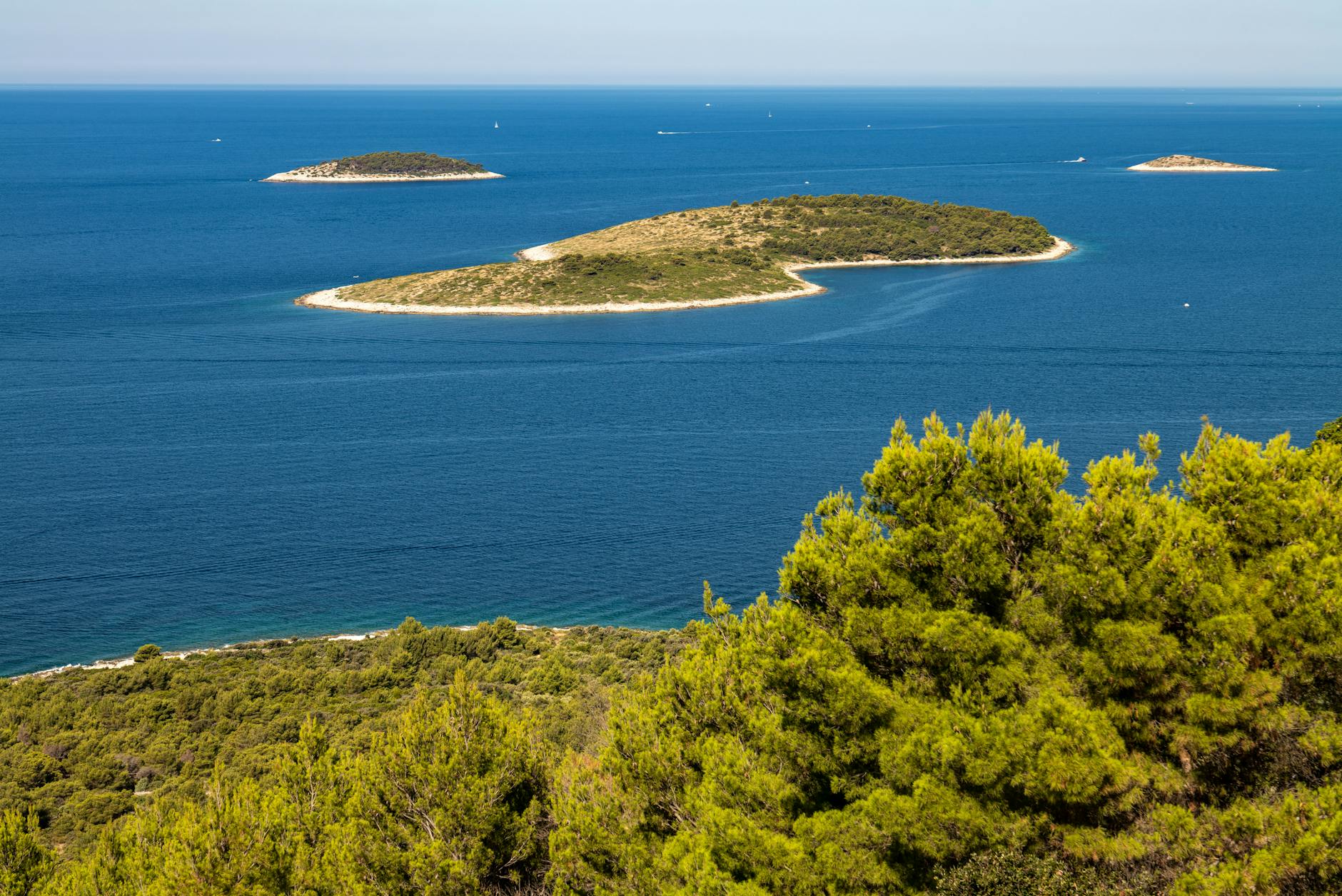
Croatia has 1,200+ islands strung along a clear Adriatic coast that stays warm into October. The version of this trip you’ve seen on Instagram (yacht charters, infinity pools) is one option. The version that actually works for most families is cheaper and arguably better: ferry-hopping between islands, mixing beach campgrounds with apartment rentals, and breaking the coast trip with a couple of days at the Plitvice Lakes inland. Family-doable, weather-reliable, food-honest.
When to go
Late May through June, then September into early October. July and August are hot, very crowded, and expensive — Croatia gets the German and Austrian holiday traffic and prices double. Mid-September is the sweet spot: water still 22-24°C, tourist crowds gone, restaurants and campgrounds still fully open. October is hit-or-miss for weather but unbeatable for prices.
Where to start
Plitvice Lakes National Park (start here)
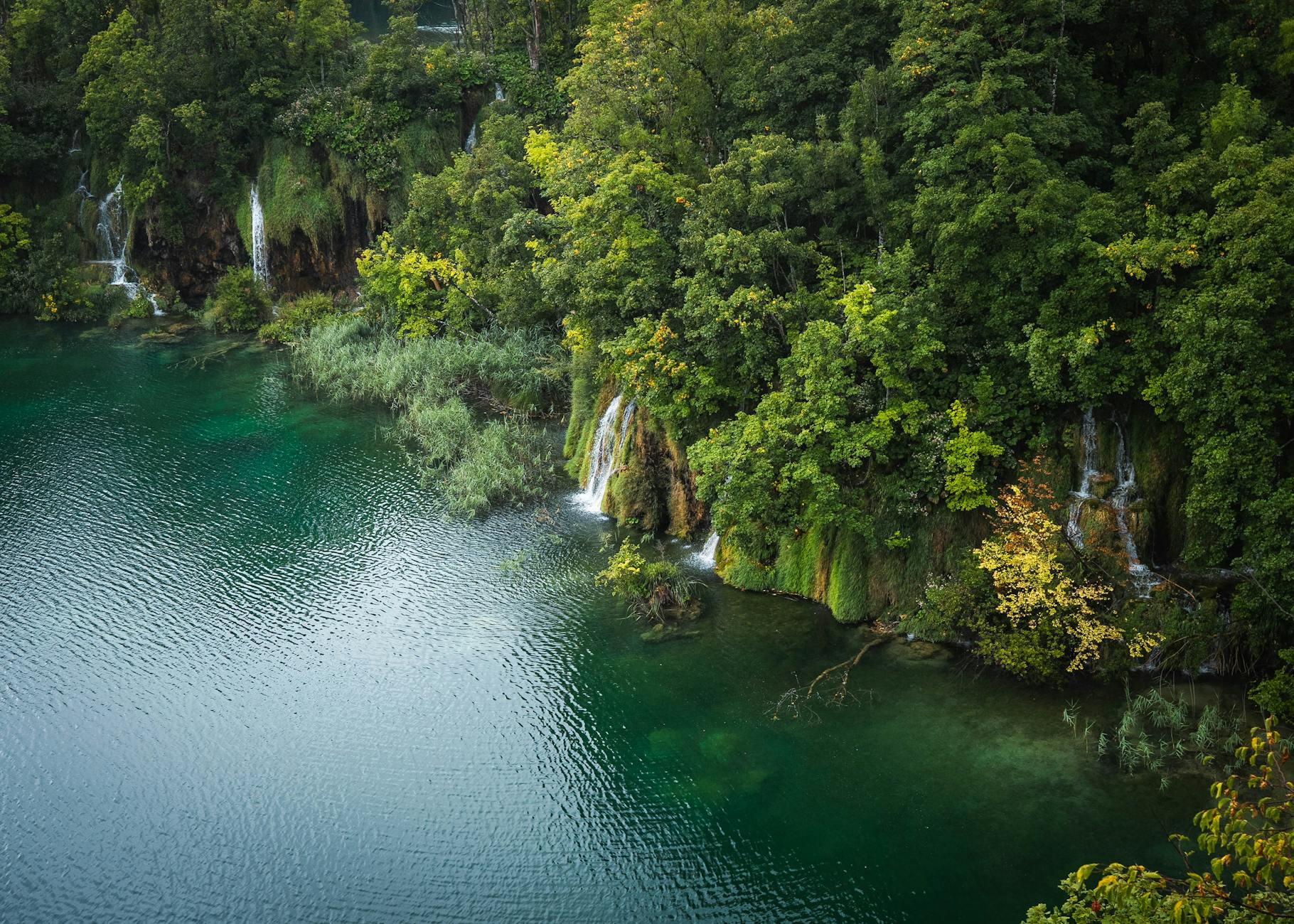
Sixteen lakes connected by 90+ waterfalls, with wooden boardwalks running across and between them. The full circuit is 4-6 hours; shorter loops work for younger kids. Go at opening (8am) to beat the tour buses, take the boat across Lake Kozjak as a built-in rest. Stay one night in Mukinje village so you can be there at dawn.
Hvar Island
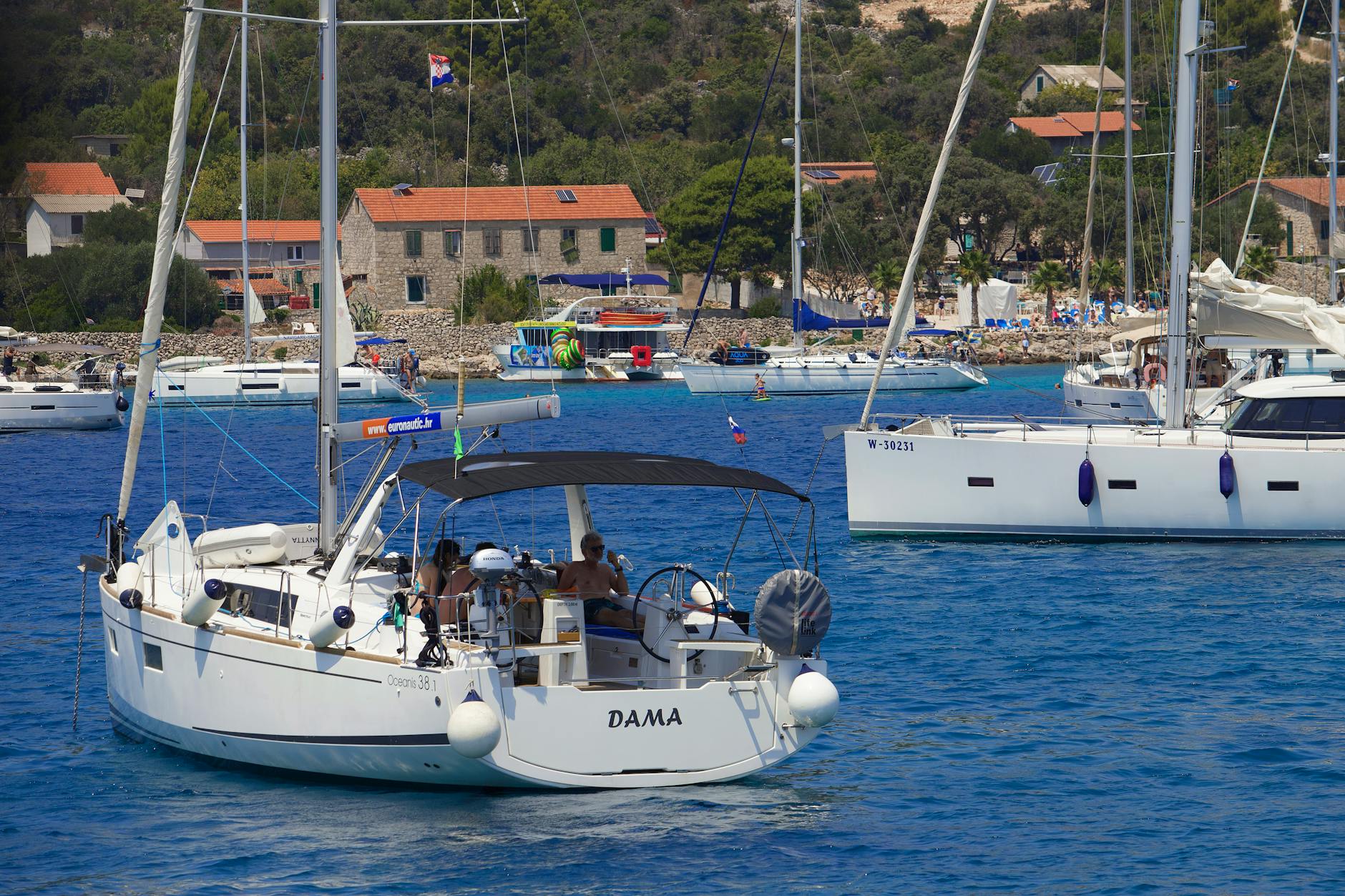
The island that gets the magazine coverage, but the family side is still relaxed: Stari Grad (the older town, less party than Hvar Town) has small pebble beaches, ferries to nearby islets with snorkeling, and lavender fields you can walk through in June. Ages 6+ can take a day-sailing trip with skipper for ≈€80/person — cheaper than a private charter.
Korčula Island
Quieter than Hvar, with a walled medieval town and the best swimming beaches on the south coast (Pupnatska Luka, Vela Pržina). Easy ferry connections from Split. Stay 3-4 nights, rent kayaks, eat at konobas (family-run taverns) where dinner runs €40-60 for a family of four.
Family-friendly tips
- Pack reef-safe water shoes — pebble beaches are gorgeous but unforgiving on bare feet.
- Most ferries are car-and-passenger. Foot-passenger fares are cheap; car ferries fill up in summer (book ahead).
- Tap water is safe everywhere. Croatia’s wines and house olive oil are also excellent — and cheap.
- Sun is intense. UV index in July hits 10-11. Hat, long-sleeve rash guard, real sunscreen, no exceptions.
- Konoba > restaurant. The family-run taverns in fishing villages serve better food than the tourist-strip places — and at half the price.
Practical info
Getting there: Split airport (SPU) is the hub for the central Dalmatian coast; Dubrovnik (DBV) for the south. Cost: apartment rental on Hvar shoulder season ≈ €80-130/night, ferry tickets ≈ €5-15/person/leg, dinner at a konoba ≈ €15-25/person. Itinerary: 2 nights Plitvice → 4 nights Split (with day trips) → 4 nights Hvar or Korčula = solid 10-day trip. Bring: snorkel masks for kids — the underwater visibility is dramatic and they’ll spend hours in the water.